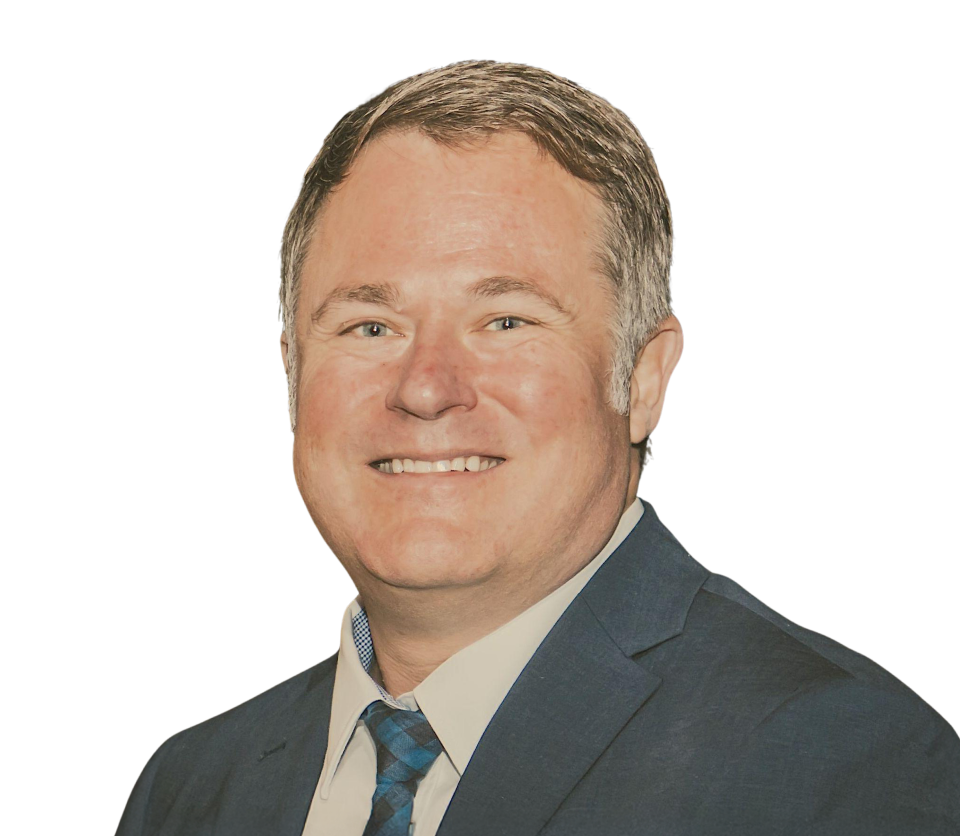
Meet Our Featured Speakers


ADVANCED OXIDATION

The water utility industry is entering a decisive decade. New federal and state-level regulations set enforceable limits for PFAS in drinking water, compelling utilities to upgrade treatment systems and implement long-term compliance strategies. Unlike conventional contaminants, PFAS remain highly persistent and resist traditional biological and physical treatment methods. As a result, utilities are advancing beyond separation technologies toward treatment solutions capable of degrading these compounds. Advanced oxidation processes generate highly reactive species, such as hydroxyl radicals, that break down complex PFAS molecules into less harmful substances. Research institutions, pilot programs, and full-scale facilities now evaluate combinations of oxidation, ultraviolet treatment, ozone, electrochemical methods, and catalytic systems to enhance removal efficiency across diverse water matrices. Industrial dischargers, municipal utilities, and remediation specialists align investments to address contamination at the source, within treatment plants, and in impacted groundwater sites. Experts anticipate sustained growth in PFAS treatment technologies as compliance deadlines approach and infrastructure funding accelerates nationwide.

Show more

Utilities and solution providers invest heavily in treatment innovations, monitoring systems, and retrofits of existing facilities. Advanced oxidation systems can integrate with established processes such as granular activated carbon and ion exchange to form multi-barrier treatment strategies. This layered approach enhances reliability while supporting operational flexibility as water-quality conditions fluctuate. Technology developers scale modular oxidation units for municipal plants, industrial facilities, and decentralized water treatment applications. At the same time, engineering firms and equipment manufacturers expand service portfolios to include pilot testing, performance validation, and lifecycle cost optimization. Financial stakeholders recognize that PFAS compliance is not a short-term project but a long-term infrastructure transformation, creating sustained demands for robust, proven solutions. International collaboration remains essential, as contamination challenges, research breakthroughs, and regulatory frameworks continue to evolve across global markets.

Implementing advanced oxidation is not an isolated choice but part of a broader treatment strategy. Water chemistry, co-contaminants, energy input, residual management, and byproduct control all influence performance outcomes. Utilities must evaluate factors such as oxidant dosing, contact time, and reactor configuration to ensure effective PFAS degradation without unintended secondary impacts. Source water variability, distribution system integrity, and sludge or concentrate disposal pathways also require careful attention. Pilot studies and demonstration projects play a critical role in validating treatment efficiency under real-world conditions. As infrastructure upgrades progress, workforce training and technical knowledge transfer will prove equally important to ensure safe, reliable, and cost-effective operations.

At PFAS Treatment USA 2026, companies will present their latest solutions and products that support PFAS destruction and strengthen water system resilience. The event will assemble utility executives, treatment plant operators, consulting engineers, technology innovators, policymakers, financiers, and industrial water users to examine practical pathways for compliance and performance improvement.

For stakeholders in the water utility industry, the implications are now clear. Regulatory enforcement is intensifying, public expectations for water safety are rising, and infrastructure modernization can no longer face delays. Advanced oxidation offers a promising route to move beyond containment toward true contaminant destruction. By participating in PFAS Treatment USA 2026, stakeholders can evaluate treatment technologies, understand capital and operational cost considerations, explore funding mechanisms, and build partnerships that accelerate implementation. Through these actions, utilities and solution providers position themselves not only to meet regulatory requirements but also to lead in delivering safe, sustainable water services in a more complex operating environment.

our sponsors

arrow icon
Eurofins Environment Testing (1)PerfluorAdVLS Texas Molecular (1)Axine Water Technologies
arrow icon

Topics on the agenda

ELECTROCHEMICAL OXIDATION FOR THE ELIMINATION OF PFAS IN WATER

Day 1: undefined

12:00 - 12:25

NEW APPROACHES FOR TUNED ADSORPTION AND OXIDATIVE DEGRADATION OF PFAS

Day 2: undefined

09:40 - 10:05

View more topics

SUBSCRIBE FOR UPDATES

By submitting, you agree to receive email communications from the event organizers, including upcoming promotions and discounted tickets, news, and access to related events.