RESEARCH
A Pocket-Sized Fix for a Planet-Sized Problem
Flinders University's molecular cage captures 98% of short-chain PFAS, closing a stubborn gap that conventional filtration has never solved
19 Jun 2026
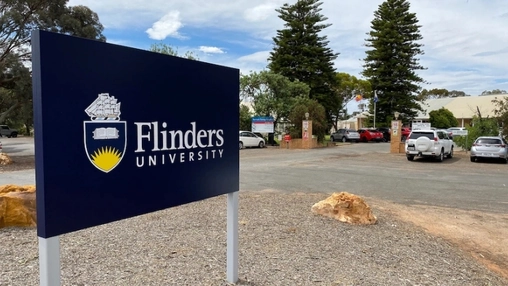
A water-filtration breakthrough from Flinders University can strip 98 percent of short-chain PFAS from treated water, offering a serious new answer to one of industrial pollution's most persistent problems. Published in Angewandte Chemie International Edition on April 8, 2026, the research introduces a molecular cage host built through cavity-directed aggregation. Precisely shaped pockets trap perfluoroalkyl substances before they reach the tap.
Short-chain PFAS has long defeated conventional filters. Smaller and more mobile than long-chain variants, these compounds slip through the activated carbon and membrane systems that most water utilities depend on today. Closing that gap has become a global priority, given that PFAS contamination is tied to serious health risks and reaches drinking water on every inhabited continent.
Flinders researchers tackled the problem at the molecular scale, engineering aggregation pockets through a deliberately simple synthetic method. That simplicity matters. Earlier filtration advances stalled partly because manufacturing complexity made scaling unrealistic. These cages capture short-chain PFAS through geometry and chemistry rather than brute-force adsorption, hitting that 98 percent removal rate without adding process complexity.
For water utilities, municipalities, and industrial operators, that has real consequences. Existing infrastructure often falls short of tightening limits on short-chain compounds, forcing costly upgrades and workarounds. A modular molecular cage filter could slot into existing treatment systems at lower complexity and cost, protecting public health more reliably than current methods allow.
Consumers stand to benefit most directly. Cleaner tap water and reduced dependence on bottled alternatives follow naturally from effective PFAS removal at scale, and regulatory momentum is already pushing limits lower across major markets. Demand will keep growing. Placing Australia at the front of next-generation water treatment, this research carries strong prospects for global adoption as commercialization moves forward.
Related News


topics on the agenda
NOVEL pH REGENERABLE ION EXCHANGE RESIN FOR PFAS REMOVAL
Day 1: WEDNESDAY, OCTOBER 28, 2026
09:30 - 09:55
FROM CAPTURE TO DESTRUCTION: PFAS TREATMENT USING REACTIVATED CARBON
Day 1: WEDNESDAY, OCTOBER 28, 2026
11:30 - 11:55
HAZARDOUS WASTE INJECTION FOR PFAS AND AFFF MANAGEMENT
Day 1: WEDNESDAY, OCTOBER 28, 2026
14:00 - 14:25
SUBSCRIBE FOR UPDATES
By submitting, you agree to receive email communications from the event organizers, including upcoming promotions and discounted tickets, news, and access to related events.