INNOVATION
How UV Light Finally Breaks the PFAS Bond
Aarhus University found intense UV light generates hydrogen radicals that permanently shatter PFAS molecules, with no added chemicals needed
17 Jun 2026
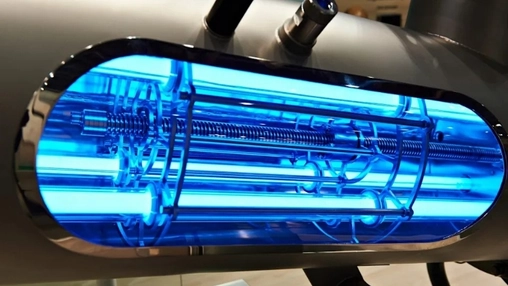
Researchers at Aarhus University have identified a mechanism using high-intensity ultraviolet light to permanently destroy PFAS compounds, the class of synthetic chemicals that accumulate in water, soil, and living tissue across decades. No chemical additives are required. The findings, published on June 16, 2026, offer regulators and water utilities a scientifically grounded path toward genuine elimination rather than containment.
PFAS contamination has resisted cost-effective treatment for years. Conventional methods typically move the problem rather than solve it, transferring compounds between media without breaking them down. The Aarhus team demonstrated that hydrogen radicals, produced when intense UV light strikes water molecules, can sever the carbon-fluorine bonds at the core of PFAS persistence. Those bonds are among the strongest in organic chemistry.
That distinction carries regulatory weight.
Many competing destruction technologies introduce secondary contaminants or depend on costly reagents at industrial scale. The UV-driven process achieves molecular breakdown without either complication, giving utilities a defensible option as permissible exposure limits tighten across major jurisdictions. Communities near industrial sites, where PFAS levels have most frequently breached regulatory thresholds, stand to benefit most directly.
Broader adoption will turn on engineering. Scaling UV radical generation to the volumes required by municipal and industrial operators remains the critical challenge before commercial deployment becomes viable. The research provides a validated foundation; the engineering work is still ahead.
Governments worldwide have accelerated PFAS rulemaking faster than treatment infrastructure has kept pace. For most utilities, the gap between what regulations now demand and what available technology can deliver is widening. A chemical-free destruction method, if it proves scalable, would narrow that gap significantly and reduce long-term liability exposure for operators caught between compliance deadlines and inadequate options.
Related News


topics on the agenda
NOVEL pH REGENERABLE ION EXCHANGE RESIN FOR PFAS REMOVAL
DAY 1: undefined
09:30 - 09:55
FROM CAPTURE TO DESTRUCTION: PFAS TREATMENT USING REACTIVATED CARBON
DAY 1: undefined
11:30 - 11:55
HAZARDOUS WASTE INJECTION FOR PFAS AND AFFF MANAGEMENT
DAY 1: undefined
14:00 - 14:25
SUBSCRIBE FOR UPDATES
By submitting, you agree to receive email communications from the event organizers, including upcoming promotions and discounted tickets, news, and access to related events.